4 Ottobre 2026 | Letteratura, Recensioni
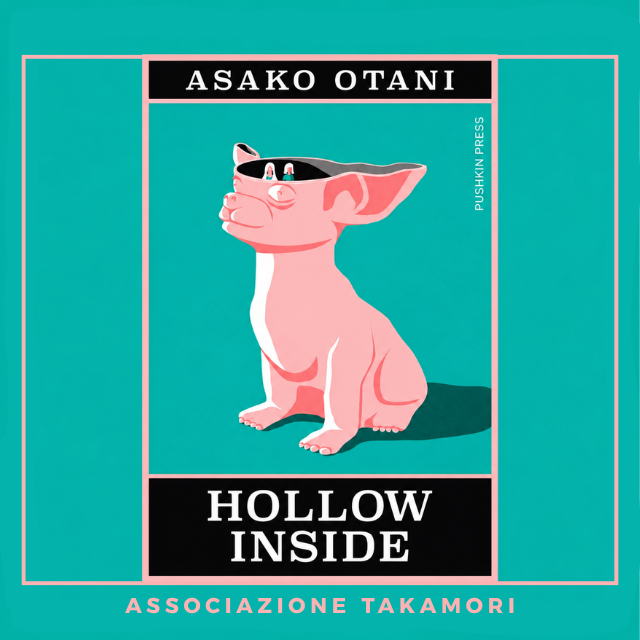
Author: Ōtani Asako
Translation: Ginny Tapley Takemori
Publisher: Pushkin Press
Edition: 2026
Ōtani Asako is a Japanese writer born in Chiba Prefecture in 1990. She made her literary debut with Hollow Inside (がらんどう) which won the prestigious 46th Subaru Literary Prize in 2022. The award-winning book was subsequently published by Shueisha in 2023, before reaching English-language readers in 2026 with Ginny Tapley Takemori’s translation, published by Pushkin Press.
Hirai, a 38-year-old office worker, and Suganuma, a few years her senior, unexpectedly find themselves sharing a home. The two women settle into an easy domestic rhythm, cooking for one another and quietly accommodating each other in their daily lives.
For all the comfort Hirai finds in this arrangement, it is not something she feels able to discuss openly. She avoids mentioning it to her colleagues and even her own mother, conscious of how difficult it is to explain a life that does not follow the conventional progression of dating, marriage and motherhood. However, that sense of security is disturbed when Suganuma, who has long maintained that she does not want to marry or risk having a child outside of wedlock, begins an affair with a married man after learning that her childhood idol has entered a “shotgun marriage”. As the affair leaves Suganuma frequently absent from home, Hirai finds the domestic life they have built becoming less certain. She turns once again to a dating app, hoping to find some direction, only to find herself no closer to resolving the uncertainty she feels.
Rather than presenting marriage or motherhood as inherently undesirable, Ōtani examines the assumptions surrounding them and how they shape both the everyday lives of her two protagonists and the way they see themselves. Both women have settled into lives that sit somewhat outside the roles prescribed to them by family and society, and while neither is presented as making a grand rejection of those expectations, Ōtani cleverly depicts the weight they carry. Hirai repeatedly reflects on her age, her changing body and the possibility that she is already “too old” to marry, even as she struggles to imagine wanting such a life in the first place. Her observations of Suganuma’s body, as well as of older women, similarly draw attention to the insecurities that women are taught to associate with ageing and appearance. Ōtani is also careful to resist giving their relationship an easy definition, capturing the fulfilment they find in living together without feeling the need to turn that closeness into a romantic partnership.
The novel gives these abstract pressures a concrete, physical form, and directly mirrors its title, Hollow Inside, through Suganuma’s unusual side business of 3D-printing replicas of deceased pets. While the statuettes capture every external detail to offer grieving owners something tangible, they remain completely hollow on the inside. Hirai comes to see herself in these figures, feeling detached from the life she once assumed she would have and sometimes imagines leaving her body behind to join the dead animals.
Despite its brevity, the novel moves at an immaculate pace, allowing room for psychological depth without a single wasted word. Rendered into English through Ginny Tapley Takemori’s crisp translation, Ōtani’s prose strikes a delicate balance between deadpan humour and tenderness. She crafts Hirai and Suganuma in such an intimate manner that their inner lives feel remarkably real in just a few pages. By leaning into subtle, everyday observations rather than melodramatic conflict, Ōtani presents a story that is as offbeat and funny as it is emotionally resonant.
By the closing lines of Hollow Inside, Hirai has begun to accept that her life does not need to resemble the one that has been imagined for her. What matters to her needs not fit the shape others expect, nor does it need to be understood by them. Ōtani leaves us with a deceptively simple question: Why must our self-worth hinge on a life plan laid out by others?
Review by Connal Shaw
Autore: Ōtani Asako
Traduzione: Ginny Tapley Takemori
Editore: Pushkin Press
Edizione: 2026
Ōtani Asako è una scrittrice giapponese nata nel 1990 nella prefettura di Chiba. Ha esordito con Hollow Inside (がらんどう), opera vincitrice del 46° Premio Subaru per la Letteratura nel 2022. Il libro è stato pubblicato in Giappone da Shueisha nel 2023 ed è arrivato al pubblico anglofono nel 2026 con la traduzione di Ginny Tapley Takemori per Pushkin Press.
Hirai, impiegata d’ufficio di 38 anni, e Suganuma, di qualche anno più grande, si ritrovano inaspettatamente a condividere la stessa casa. Tra le due si instaura presto una quotidianità semplice e armoniosa: cucinano l’una per l’altra e si adattano con naturalezza alle rispettive abitudini.
Per quanto Hirai trovi conforto in questa sistemazione, non riesce a parlarne apertamente. Evita di raccontarlo ai colleghi e persino alla madre, consapevole di quanto sia difficile spiegare una vita che non segue il percorso convenzionale fatto di relazioni, matrimonio e maternità. Questo equilibrio entra però in crisi quando Suganuma, che ha sempre sostenuto di non volersi sposare né di voler rischiare una gravidanza fuori dal matrimonio, inizia una relazione con un uomo sposato, dopo aver scoperto che il suo idolo d’infanzia ha avuto un matrimonio riparatore. Le frequenti assenze di Suganuma finiscono così per incrinare la sicurezza che Hirai aveva trovato nella loro convivenza. Ancora una volta, Hirai ricorre a un’app di incontri nella speranza di trovare una direzione, ma non riesce a fare chiarezza sul proprio disorientamento.
Più che presentare il matrimonio o la maternità come scelte intrinsecamente indesiderabili, Ōtani mette in discussione le aspettative sociali che li circondano e il modo in cui condizionano la vita quotidiana e l’autopercezione delle protagoniste. Entrambe hanno costruito un’esistenza che si discosta dai ruoli tradizionali prescritti dalla famiglia e dalla società; pur senza trasformare questa distanza in una presa di posizione esplicita, Ōtani riesce a mostrare tutto il peso di tali condizionamenti. Hirai riflette spesso sulla propria età, sui cambiamenti del corpo e sulla possibilità di essere ormai troppo vecchia per sposarsi, anche se fatica a capire se desideri davvero una vita simile. Al contempo, le osservazioni sul corpo di Suganuma e sulle donne più anziane richiamano le insicurezze che la società insegna ad associare all’invecchiamento e all’aspetto fisico. Ōtani evita inoltre di etichettare la relazione tra le due, mostrando la pienezza che trovano nel vivere insieme senza la necessità di trasformare la loro intimità in un rapporto sentimentale.
Il romanzo dà una forma concreta e tangibile a queste pressioni invisibili, richiamando direttamente il titolo, Hollow Inside (“vuoto dentro”) attraverso l’insolita attività secondaria di Suganuma, che realizza con una stampante 3D riproduzioni di animali domestici scomparsi. Se da un lato le statuette ne conservano ogni dettaglio esteriore per offrire un conforto ai padroni, al loro interno restano del tutto vuote. È proprio in queste figure che Hirai finisce per rispecchiarsi, sentendosi estraniata dalla vita che un tempo immaginava per sé, fino a fantasticare di abbandonare il proprio corpo per unirsi a quegli animali.
A dispetto della sua brevità, il romanzo procede con un ritmo dosato con estrema cura, capace di offrire una notevole profondità psicologica senza sprecare una singola parola. Nella lucida traduzione di Ginny Tapley Takemori, la prosa di Ōtani trova un delicato equilibrio tra un umorismo asciutto e una grande delicatezza. L’autrice tratteggia Hirai e Suganuma con una tale intimità che il loro mondo interiore risulta incredibilmente vivo in pochissime pagine. Privilegiando le piccole osservazioni quotidiane rispetto ai grandi drammi, Ōtani ci regala una storia stravagante e divertente, ma al tempo stesso carica di risonanza emotiva.
Nelle ultime pagine di Hollow Inside, Hirai comincia ad accettare che la propria vita non debba necessariamente ricalcare ciò che gli altri avevano immaginato per lei. Ciò che conta davvero non deve per forza conformarsi alle aspettative altrui, né ha bisogno della loro approvazione. Ōtani ci lascia così con un quesito fondamentale nella sua semplicità: perché la pienezza della nostra esistenza dovrebbe essere misurata sul modello che altri hanno disegnato per noi?
Recensione di Connal Shaw
12 Luglio 2026 | Letteratura, Recensioni

Author: Tawada Yōko
Translation: Margaret Mitsutani
Publisher: Granta Books
Edition: 2026
Archipelago of the Sun (太陽諸島, Taiyō Shotō), translated by Margaret Mitsutani, is the concluding volume of Tawada Yōko’s trilogy that began with Scattered All Over the Earth. Picking up directly after Suggested in the Stars, Hiruko and her companions leave Copenhagen aboard a mail boat, travelling east in search of her vanished homeland. As their route takes them through the Baltic, stopping in places such as Rügen, Kaliningrad, Riga and Tallinn, the novel gradually shifts its focus from the search itself to the people undertaking it.
In the same fashion as the previous entries, the narrative shifts between multiple perspectives. Susanoo, who remained an elusive figure for much of the trilogy, now emerges as a far more fully fleshed-out character through chapters narrated from his own perspective. Unlike the previous novels, however, the voyage is rarely driven by dramatic events. Instead, it unfolds through long conversations and unexpected detours that gradually reshape the purpose of the journey itself.
Hiruko’s hybrid language, Panska, continues to blur linguistic boundaries, but Tawada broadens her focus far beyond it. Conversations increasingly revolve around translation, pronunciation and the different ways languages express the same ideas, with characters delighting in wordplay and exchanging observations about grammar, etymology and linguistic quirks.
Although the novel continually introduces unexpected encounters and ideas, it maintains a remarkably calm, almost contemplative tone throughout. Tawada allows even the most unusual conversations to unfold with complete naturalness, giving equal space to philosophical reflection and humour.
Readers expecting definitive explanations for Japan’s disappearance may be surprised, but Tawada’s interest has always lain elsewhere. Like the voyage at its centre, Archipelago of the Sun continually invites new conversations and new ways of thinking before bringing the trilogy to a satisfying close.
Review by Connal Shaw
Autrice: Tawada Yōko
Traduzione: Margaret Mitsutani
Editore: Granta Books
Edizione: 2026
Archipelago of the Sun (太陽諸島, Taiyō Shotō), tradotto in inglese da Margaret Mitsutani, conclude la trilogia di Tawada Yōko iniziata con Scattered All Over the Earth. Riprendendo esattamente dal punto in cui si conclude Suggested in the Stars, Hiruko e i suoi compagni lasciano Copenaghen a bordo di una nave postale, diretti verso est alla ricerca della patria che lei ha perduto. Attraversando il Mar Baltico e facendo tappa in luoghi come Rügen, Kaliningrad, Riga e Tallinn, il romanzo sposta progressivamente l’attenzione dalla meta del viaggio alle persone che lo condividono.
Come nei volumi precedenti, la narrazione passa continuamente da un personaggio all’altro. Susanoo, rimasto a lungo una figura sfuggente, acquista finalmente maggiore spessore grazie ai capitoli raccontati dal suo punto di vista. A differenza dei romanzi precedenti, però, il viaggio è scandito meno da grandi avvenimenti che dalle conversazioni, dagli incontri e dalle deviazioni lungo il percorso, che ne trasformano poco alla volta il significato.
Il Panska, la lingua ibrida inventata da Hiruko, continua a essere una presenza importante, ma l’interesse di Tawada si estende ben oltre. Le conversazioni ruotano sempre più spesso attorno alla traduzione, alla pronuncia e ai diversi modi in cui le lingue esprimono le stesse idee, mentre i personaggi si divertono a confrontare parole e altre curiosità linguistiche.
Pur introducendo costantemente incontri inattesi e nuove idee, il romanzo conserva un tono sorprendentemente pacato, quasi contemplativo. Anche gli scambi più insoliti si sviluppano con assoluta naturalezza, lasciando convivere riflessione filosofica e umorismo senza mai forzare il racconto.
Chi si aspetta una spiegazione definitiva della scomparsa del Giappone potrebbe rimanere sorpreso, ma gli interessi di Tawada sono sempre stati altri. Come il viaggio che racconta, Archipelago of the Sun invita continuamente a nuove conversazioni e a nuovi modi di guardare il mondo, offrendo una conclusione pienamente coerente con lo spirito dell’intera trilogia.
Recensione di Connal Shaw
21 Giugno 2026 | Letteratura, Recensioni

Author: Tawada Yōko
Translation: Margaret Mitsutani
Publisher: Granta Books
Edition: 2025
Suggested in the Stars (星に仄めかされて, Hoshi ni Honomekasarete), translated by Margaret Mitsutani, is the second volume in Tawada Yōko’s trilogy that began with Scattered All Over the Earth. Reuniting Hiruko and the companions she gathered during her search for fellow Japanese survivors, the novel follows the group’s efforts to help Susanoo recover his voice after finally locating him at the end of the previous book. Once more, Tawada uses this premise to explore questions of language and belonging in a world where Japan has faded from both maps and memory.
In the same style as the first entry in the trilogy, the narrative shifts between multiple perspectives and frequently moves through flashbacks, gradually revealing the cast’s backstories and motivations. The group converges on Copenhagen in the hope that treatment from a speech loss specialist will restore Susanoo’s voice and enable him to speak once more in his own language. The physician overseeing this case is Dr. Velmer, a cynical and often authoritarian figure who becomes convinced that the silence he is treating may not be a medical condition at all. Instead, he entertains the possibility that Susanoo has simply forgotten the language he once spoke, leading him to question both the value of restoring it and the assumptions of those determined to help. Much of this storyline unfolds within a decaying Copenhagen hospital whose atmosphere strongly recalls the unsettling world of Lars von Trier’s The Kingdom.
Language remains at the centre of the novel, though Tawada approaches the subject with even greater humour and absurdity than before. Susanoo’s condition becomes the starting point for questions about the value people attach to their mother tongue and whether shared language or nationality alone can create a meaningful sense of connection. In doing so, the novel complicates the beliefs that motivated Hiruko’s search in the first place, asking what it means to belong to a culture that has disappeared.
This concern with language is reflected in the novel’s increasingly dreamlike and surreal atmosphere. Reality shifts without warning and scenes often develop according to the logic of association rather than conventional causality. Characters frequently move from one situation to another through conversations alone, as though language itself could reshape the world around them. Margaret Mitsutani’s translation once again stands out in these passages, capturing the fluidity and absurdity of Tawada’s writing.
Suggested in the Stars expands the ideas introduced in Scattered All Over the Earth while moving further into the realm of dreams and linguistic play. Rather than providing clear answers to the mysteries and questions raised by its predecessor, Tawada frequently complicates them, introducing new questions and unexpected directions for both the characters and the reader. It feels very much like a bridge between the first and final volumes, leaving readers eager to discover where this unusual journey will ultimately lead, even if definitive answers seem to be beside the point.
Review by Connal Shaw
Autrice: Tawada Yōko
Traduzione: Margaret Mitsutani
Editore: Granta Books
Edizione: 2025
Suggested in the Stars (星に仄めかされて, Hoshi ni Honomekasarete), tradotto in inglese da Margaret Mitsutani, è il secondo volume della trilogia iniziata con Scattered All Over the Earth. Il romanzo ci riporta accanto a Hiruko e all’improbabile gruppo che si è formato attorno a lei. Dopo aver ritrovato Susanoo, un cuoco giapponese rimasto improvvisamente privo della parola, i protagonisti cercano di comprenderne la condizione e di aiutarlo a recuperare la voce. Ancora una volta, Tawada parte da questa premessa per esplorare il linguaggio e sull’appartenenza in un mondo in cui il Giappone è ormai scomparso dalle mappe e quasi del tutto dissolto nella memoria collettiva.
Come nel primo capitolo della trilogia, la narrazione si sposta continuamente tra diversi punti di vista e si apre spesso a ritorni nel passato, che ricostruiscono gradualmente le storie e le motivazioni dei personaggi. Il gruppo si reca a Copenaghen nella speranza che un medico possa restituire la voce a Susanoo. A occuparsi del caso è il dottor Velmer, figura cinica e autoritaria che finisce per mettere in dubbio la natura stessa della sua condizione. Secondo lui, il paziente potrebbe non soffrire di un disturbo medico, ma aver semplicemente dimenticato la propria lingua madre. Questa ipotesi lo porta a mettere in discussione il senso stesso del tentativo di “recuperarla”. Gran parte di questa vicenda si svolge all’interno di un ospedale decadente di Copenaghen, la cui atmosfera sembra uscita direttamente da Il Regno di Lars von Trier.
Il linguaggio resta il tema centrale del romanzo, ma questa volta Tawada lo affronta attraverso situazioni sempre più eccentriche e imprevedibili. La condizione di Susanoo diventa il punto di partenza per riflettere sul valore attribuito alla lingua madre e sulla possibilità che lingua e nazionalità condivise bastino a creare un legame tra due persone. Così il romanzo ripensa le premesse che avevano guidato la ricerca di Hiruko e si confronta con una cultura ormai svanita.
A dare forma a queste domande è una narrazione sempre più surreale. La realtà sembra mutare di continuo e le scene si sviluppano per associazioni, più che secondo una logica narrativa tradizionale. I passaggi da una situazione all’altra avvengono spesso attraverso le conversazioni, come se fossero le parole stesse a ridefinire il mondo del romanzo. Qui la traduzione di Margaret Mitsutani si conferma eccellente, come già nel primo volume.
Suggested in the Stars amplia i temi introdotti in Scattered All Over the Earth, spingendosi ancora più nel sogno e nella sperimentazione linguistica. Anziché offrire risposte a tutte le domande del primo volume, il romanzo le complica ulteriormente, aprendo nuove direzioni narrative e concettuali. Si configura così come un ponte tra l’inizio e la conclusione della trilogia, lasciando il lettore in attesa di uno sviluppo che, forse, non mira affatto a una risoluzione definitiva.
Recensione di Connal Shaw
24 Maggio 2026 | Letteratura, Recensioni

Author: Tawada Yōko
Translation: Margaret Mitsutani
Publisher: Granta Books
Edition: 2022
Tawada Yōko is an author and poet born in Tokyo in 1960 who moved to Germany in the early 1980s. Her works, written in both Japanese and German, explore themes of language, cultural identity, and estrangement, often blending realism with dreamlike scenarios and imagined futures. Scattered All Over the Earth (地球にちりばめられて, Chikyū ni Chiribamerarete), originally published in 2018 and later translated into English by Margaret Mitsutani, is the first volume of a trilogy that explores such themes in a near future shaped by displacement and the gradual erosion of cultural identity.
The novel opens in a world where Japan has disappeared off the map, lingering only in half-remembered stories and distorted cultural references. Characters struggle even to remember the country’s name, vaguely describing it instead as “an archipelago somewhere between China and Polynesia,” while elements of its culture persist detached from their origins, as when sushi is referred to as a Finnish invention. How Japan came to vanish is never explicitly stated. Instead, Tawada scatters possible explanations throughout the narrative, from extreme urbanisation and the flattening of the country’s mountain ranges to collapsing birth rates and a society no longer capable of distinguishing between the virtual and real worlds.
At the centre of the story is Hiruko, one of the few people who still identifies herself as Japanese, constantly travelling across Scandinavia in search of others who share her origins and native tongue. In order to communicate wherever she goes, she speaks “Panska,” a hybrid language combining Norwegian, Danish, and Swedish. This improvised language allows her to be understood, yet it also mirrors her sense of displacement, enabling communication without ever quite providing a sense of belonging. Margaret Mitsutani’s English translation masterfully reinforces this feeling through lowercase writing and unusual punctuation, conveying the ungrammatical and improvised nature of Hiruko’s speech. This gradual linguistic detachment is further reflected in the original Japanese edition, where Hiruko’s name appears in the Latin alphabet rather than Japanese script, subtly emphasising her growing separation from the country she is trying to keep alive in memory.
Rather than centring itself around a single protagonist, the narrative continually shifts perspective between multiple characters across its chapters, allowing the reader to experience this evolving world through a rich variety of voices and cultural backgrounds. Through awkward encounters, linguistic misunderstandings, and gradually deepening relationships, Tawada draws these seemingly disconnected lives together, keeping the reader invested both in Hiruko’s search and in the way this unlikely group attempts to define itself in a world that no longer offers a fixed sense of belonging.
Scattered All Over the Earth is an unconventional and ambitious novel that combines philosophical reflection with linguistic experimentation. Tawada’s prose and narrative choices can at times feel deliberately disorienting, but this instability ultimately becomes one of the book’s greatest strengths. Rather than presenting a dystopian future centred solely on destruction, Tawada tells a story about the fragile human desire to be understood, highlighting the importance of language and communication in a world where fixed national identities have begun to dissolve and the idea of home itself has started to disappear.
Review by Connal Shaw
Autrice: Tawada Yōko
Traduzione: Margaret Mitsutani
Editore: Granta Books
Edizione: 2022
Tawada Yōko è un’autrice e poetessa nata a Tokyo nel 1960, trasferitasi in Germania nei primi anni Ottanta e nota per le sue opere scritte sia in giapponese che in tedesco. Gran parte della sua produzione esplora i temi del linguaggio, dell’identità culturale e dell’estraneità, fondendo il realismo con atmosfere oniriche e visioni di futuri possibili. Scattered All Over the Earth (地球にちりばめられて, Chikyū ni Chiribamerarete), pubblicato nel 2018 e successivamente tradotto in inglese da Margaret Mitsutani, è il primo volume di una trilogia ambientata in un futuro prossimo segnato dallo sradicamento e dalla progressiva dissoluzione dell’identità culturale.
Il romanzo si apre in un mondo in cui il Giappone è scomparso, ridotto ormai a ricordi confusi e riferimenti culturali deformati dal tempo. I personaggi faticano persino a ricordarne il nome, limitandosi a descriverlo vagamente come “un arcipelago da qualche parte tra la Cina e la Polinesia”, mentre frammenti della sua cultura continuano a esistere separati dalle proprie origini, come nel caso del sushi, considerato un’invenzione finlandese. Le cause della scomparsa del paese non vengono mai spiegate apertamente. Tawada dissemina invece nel corso della narrazione diverse ipotesi, dall’urbanizzazione estrema e dallo spianamento delle montagne sacre fino al crollo della natalità e all’incapacità di distinguere il mondo virtuale da quello reale.
Al centro della storia vi è Hiruko, una delle poche persone che continuano a identificarsi come giapponesi, in continuo viaggio attraverso i paesi scandinavi alla ricerca di qualcuno che condivida le sue origini e la sua lingua madre. Per comunicare, parla il “Panska”, una lingua ibrida composta da norvegese, danese e svedese. Questo idioma improvvisato le permette di farsi comprendere ovunque vada, ma riflette anche la sua condizione di chi comunica con tutti senza appartenere davvero a nessun luogo. La traduzione inglese di Margaret Mitsutani cattura perfettamente questo senso di spaesamento attraverso l’uso delle minuscole e di una punteggiatura insolita, trasmettendo il carattere sgrammaticato e improvvisato del suo modo di parlare. Lo stesso senso di distacco emerge anche nell’edizione originale giapponese, dove il nome della protagonista appare scritto in alfabeto latino anziché in caratteri giapponesi, sottolineando la sua separazione dal paese che cerca disperatamente di mantenere vivo nella memoria.
Piuttosto che seguire un unico protagonista, la narrazione si sposta continuamente tra personaggi diversi nel corso dei capitoli. Attraverso incontri imbarazzanti, incomprensioni linguistiche e rapporti che si consolidano poco a poco, Tawada intreccia le vite di questo improbabile gruppo, accompagnando il lettore tanto nella ricerca di Hiruko quanto nel tentativo dei personaggi di definire la propria identità in un mondo che non offre più alcun senso stabile di appartenenza.
Scattered All Over the Earth è un romanzo insolito e intellettualmente ambizioso, capace di unire riflessione filosofica e sperimentazione linguistica. La prosa e le scelte narrative di Tawada possono risultare volutamente disorientanti, ma è proprio questa instabilità a rappresentare uno dei maggiori punti di forza dell’opera. Anziché costruire una distopia fondata unicamente sulla distruzione, Tawada racconta una storia che riflette sul fragile desiderio umano di essere compresi, ponendo al centro il linguaggio e la comunicazione in un mondo dove le identità nazionali si dissolvono e perfino l’idea stessa di casa sembra destinata a svanire.
Recensione di Connal Shaw

Commenti recenti