
Nails and Eyes || Recensione
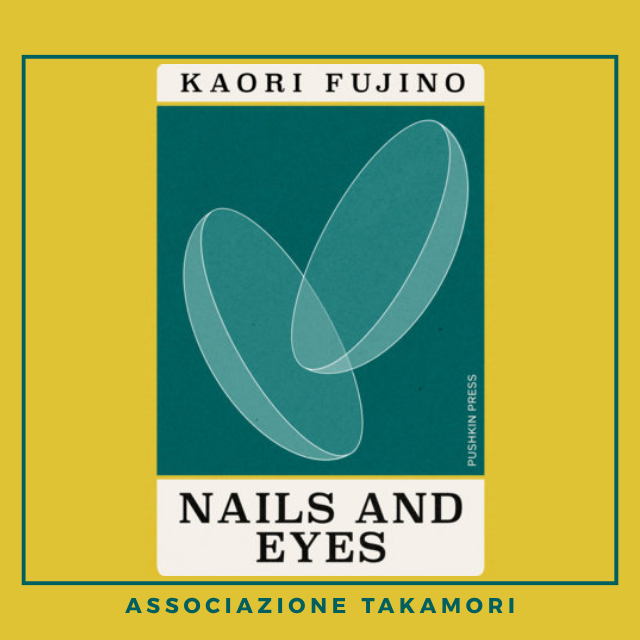
Author: Fujino Kaori
Translation: Kendall Heitzman
Publisher: Pushkin Press
Edition: 2023
Kyoto born writer Fujino Kaori is known for her surreal and unsettling fiction, which frequently challenges the conventions of psychological horror. Her novella Nails and Eyes (Tsume to me, 爪と目), winner of the Akutagawa Prize and translated into English by Kendall Heitzman, is a striking example of her unconventional storytelling.
Nails and Eyes brings together three short stories, beginning with the eponymous tale of a fractured family in the wake of a mother’s mysterious death. Young Hina finds herself under the care of her father’s mistress, a woman who shows little interest in the child she has effectively inherited. Fujino crafts an atmosphere of mounting paranoia through her unusual use of second-person narration, with Hina directly addressing her stepmother as “you”. The effect is deeply distressing, as it gives the impression that the child’s observations and judgements are directed personally at the reader. Even more chilling is the girl’s seemingly impossible knowledge of her stepmother’s innermost thoughts and intimate experiences, leaving the reader wondering just how she knows so much and what she might be capable of.
Fujino exposes the selfishness and neglect that fester within the household, where the adults’ desires constantly take precedence over Hina’s needs. The stepmother becomes increasingly obsessed with the deceased mother’s blog and taste in furniture, yet cares little for the girl she left behind. She also becomes involved with other men, who turn out to be interested only in their own sexual gratification. Meanwhile, the father’s repeated infidelities reveal his own indifference towards the family.
In What Shoko Forgets, Fujino shifts narrative perspective and introduces the reader to an elderly woman recovering from a stroke in a rehabilitation ward. With her memory deteriorating, Shoko is subjected to deeply disturbing nocturnal encounters that leave her feeling even more vulnerable while those around her seem oblivious to her suffering. The final story, Minute Fears, follows a mother torn between caring for her son, who has become terrified of an urban legend, and her desire for time to herself. Across all three stories, Fujino portrays women constrained by oppressive relationships and circumstances, with even the spaces that ought to offer safety and comfort providing little refuge.
Fujino’s deceptively restrained prose allows horror to emerge from the most ordinary moments, punctuated by sudden intrusions of violence. In Nails and Eyes, recurring references to eyesight and fingernails gradually take on a more sinister significance, while it is what remains unsaid in the violence inflicted upon Shoko that makes her story all the more harrowing. Even after the final page, the discomfort Fujino has so carefully instilled proves difficult to shake.
Review by Connal Shaw
Autore: Fujino Kaori
Traduzione: Kendall Heitzman
Editore: Pushkin Press
Edizione: 2023
Nata a Kyoto, la scrittrice Fujino Kaori è nota per la sua narrativa surreale e inquietante, capace di sovvertire le convenzioni dell’horror psicologico. Il suo romanzo breve Nails and Eyes (Tsume to me, 爪と目), vincitore del prestigioso Premio Akutagawa e tradotto in inglese da Kendall Heitzman, è un’ottima prova dell’originalità della sua scrittura.
Nails and Eyes comprende tre racconti, il primo dei quali narra le vicende di una famiglia segnata dalla misteriosa morte della madre. La piccola Hina si ritrova affidata all’amante del padre, una donna che sembra del tutto disinteressata alla bambina ora alle sue cure. Fujino costruisce un’atmosfera di crescente paranoia attraverso un insolito uso della second persona, con Hina che si rivolge direttamente alla matrigna dandole del “tu”. Ne deriva una sensazione di profondo disagio come se le osservazioni e i giudizi della bambina fossero rivolti direttamente a chi legge. Ancora più inquietante è come Hina sembri conoscere persino i pensieri più intimi e le esperienze più personali della matrigna, tanto da far sorgere il dubbio su come possa sapere così tanto e di che cosa sia realmente capace.
Tra le mura domestiche emergono l’egoismo e l’incuria degli adulti, i cui desideri prevalgono continuamente sulle esigenze di Hina. La matrigna sviluppa un’ossessione per il blog della madre defunta e per i suoi gusti nell’arredamento, senza tuttavia mostrare alcun interesse per Hina. Inizia inoltre a frequentare altri uomini, che si rivelano interessati soltanto al proprio appagamento sessuale. Le continue infedeltà del padre intanto dimostrano la sua indifferenza verso la famiglia.
Nella seconda storia, What Shoko Forgets (Ciò che Shoko dimentica), Fujino cambia prospettiva e racconta la vicenda di un’anziana ricoverata in un centro di riabilitazione dopo un ictus. Mentre la sua memoria si deteriora, Shoko subisce episodi notturni sconvolgenti che ne accentuano la vulnerabilità ma nessuno sembra accorgersene. L’ultimo racconto, Minute Fears (Minime paure), segue invece una madre divisa tra il desiderio di dedicare del tempo a sé stessa e la necessità di occuparsi del figlio terrorizzato da una leggenda metropolitana. In tutte e tre le storie, Fujino ritrae donne prigioniere di contesti opprimenti, dove persino gli ambienti che dovrebbero offrire loro sicurezza e conforto si rivelano incapaci di proteggerle.
L’autrice sa costruire la tensione poco alla volta, per poi sorprendere il lettore con improvvisi episodi di violenza. In Nails and Eyes, i continui riferimenti alla vista e alle unghie assumono gradualmente un significato sempre più sinistro, e in What Shoko Forgets è proprio ciò che non viene detto a rendere gli eventi ancora più agghiaccianti. Anche dopo aver terminato la lettura, è difficile liberarsi del senso di disagio che l’autrice ha saputo suscitare.
Recensione di Connal Shaw
Commenti recenti